* Water erosion: Caused by the force of flowing water, like rivers, streams, and rain.
* Wind erosion: Caused by the force of wind, especially in dry, arid environments.
* Glacial erosion: Caused by the movement of glaciers, which carve out valleys and transport sediment.
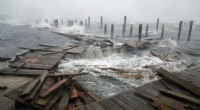
* Coastal erosion: Caused by waves and currents along coastlines.
Mass movement specifically refers to the downward movement of rock, soil, and other materials due to gravity. Examples of mass movement include:
* Creep: Slow, gradual movement of soil and rock downhill.
* Slump: A rotational slide of rock or soil along a curved surface.
* Landslide: Rapid movement of rock and soil down a slope.
* Mudflow: A fast-moving mixture of water, soil, and debris.
* Rockfall: The rapid detachment and fall of rock from a cliff.
So, mass movement is caused by gravity, while erosion is a broader process that encompasses various forces, including gravity.