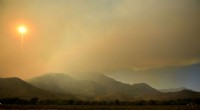
1. Changing the Shape of the Land:
* Mountains and Valleys: Erosion sculpts mountains, carving out valleys and canyons. Rivers, wind, and glaciers are key agents in this process.
* Riverbeds and Deltas: Rivers erode their channels, creating bends and meanders. They deposit sediment downstream, forming deltas and floodplains.
* Coastal Erosion: Waves, tides, and currents shape coastlines, eroding cliffs and beaches, and creating inlets, spits, and barrier islands.
2. Transforming the Soil:
* Soil Loss: Erosion removes the topsoil, which is vital for plant growth. This leads to reduced agricultural productivity and desertification.
* Sedimentation: Eroded soil is transported and deposited in rivers, lakes, and oceans. This can cause problems like flooding, reduced water quality, and damage to aquatic ecosystems.
3. Influencing Landforms:
* Badlands: Wind and water erosion can carve out dramatic landscapes like the Badlands of South Dakota, revealing colorful layers of rock.
* Sand Dunes: Wind erosion creates sand dunes, shifting landscapes in arid regions.
* Glacial Features: Glaciers carve out valleys, create lakes, and deposit glacial till, shaping landscapes in high-latitude areas.
4. Impacting Human Activities:
* Infrastructure Damage: Erosion can damage roads, bridges, and other infrastructure.
* Water Pollution: Eroded soil and pollutants can contaminate water supplies.
* Loss of Biodiversity: Erosion can disrupt ecosystems and reduce habitat for plants and animals.
Factors Affecting Erosion:
* Climate: Rainfall, wind, and temperature play a significant role in erosion rates.
* Topography: The steepness of slopes and the presence of valleys influence erosion.
* Vegetation: Plants help stabilize soil and reduce erosion.
* Human Activities: Land use practices like farming, deforestation, and construction can accelerate erosion.
Understanding erosion is crucial for:
* Sustainable land management: Using practices that minimize erosion and conserve soil resources.
* Environmental protection: Protecting ecosystems and water quality from erosion-related impacts.
* Infrastructure development: Designing and building structures that are resistant to erosion.
By understanding the forces at play and implementing appropriate measures, we can better manage erosion and protect our landscapes for future generations.