Processes that are NOT erosion:
* Deposition: The process of adding material to a landform, rather than removing it. This is the opposite of erosion. Examples include:
* Sediment accumulating at the mouth of a river, forming a delta.
* Sand dunes growing larger as wind deposits sand.
* Lava flows building up new land.
* Weathering: The process of breaking down rocks, soil, and minerals through physical or chemical means. This is a precursor to erosion, but not erosion itself. Examples include:
* Freezing and thawing of water in cracks, breaking rocks.
* Chemical reactions dissolving minerals in rocks.
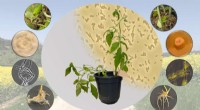
* Plant roots growing through cracks in rocks, causing them to split.
* Construction: Building structures and altering landscapes through human activity, such as:
* Building dams to control water flow.
* Mining for minerals and resources.
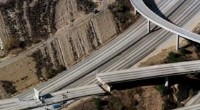
* Creating roads and buildings.
* Plate Tectonics: The movement of Earth's tectonic plates, which can cause mountains to rise or valleys to form, but not erosion.
* Volcanic Activity: The eruption of volcanoes can create new landforms, but the erosion of those landforms is a separate process.
Examples that are NOT erosion, even though they may appear to involve movement or change:
* Growth of a plant: Plants may grow and change the shape of a landscape, but this is not erosion as it does not involve the movement of existing materials.
* Movement of animals: Animals may dig burrows or move rocks, but these actions do not necessarily represent erosion on a significant scale.
* Change in the color of a rock: A change in the color of a rock due to chemical reactions is not erosion, but rather a form of weathering.
Remember, erosion is specifically about the transport of materials by natural forces like wind, water, or ice. Any process that doesn't involve this transport is not erosion.