1. The Journey Begins: Magma Movement
* Buoyancy: Magma is less dense than the surrounding solid rock. This makes it buoyant, causing it to rise towards the Earth's surface.
* Fractures and Dikes: As magma rises, it creates cracks and fractures in the surrounding rock. It can also force its way into these openings, forming features called dikes (vertical, wall-like intrusions).
* Sills: Sometimes, magma intrudes horizontally between layers of rock, forming sheets called sills.
2. Reaching the Surface: Volcanic Eruptions
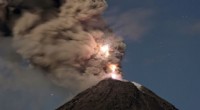
* Eruptions: When magma finally reaches the surface, it erupts as lava. This is a spectacular event, often accompanied by explosive releases of gas, ash, and volcanic bombs.
* Types of Eruptions: The intensity and style of an eruption depend on factors like the composition of the magma, the amount of gas it contains, and the surrounding environment. Some eruptions are effusive, characterized by slow, flowing lava, while others are explosive and can cause widespread devastation.
3. Cooling and Solidification
* Lava Flows: Erupted lava flows across the Earth's surface, cooling and solidifying as it goes. The resulting rocks are called extrusive igneous rocks.
* Intrusive Igneous Rocks: Magma that cools and solidifies underground forms intrusive igneous rocks. These rocks are often exposed later by erosion.
* Mineral Formation: As magma cools, different minerals crystallize out in a specific sequence, based on their melting points.
4. Long-Term Impacts: Shaping the Earth
* Landform Formation: Volcanic eruptions build mountains, create islands, and sculpt landscapes.
* Soil Enrichment: Volcanic ash, when weathered, can enrich soil fertility.
* Climate Change: Major volcanic eruptions can release sulfur dioxide and other gases into the atmosphere, temporarily cooling the planet.
* Resource Formation: Igneous rocks are often rich in valuable minerals like gold, silver, copper, and iron.
5. Continuously Active: The Rock Cycle
* The Rock Cycle: The formation of magma is part of the Earth's ongoing rock cycle. Igneous rocks formed from magma can be eroded and transformed into sedimentary rocks, which can then be buried, heated, and eventually melted to form new magma, completing the cycle.
In Summary: The formation of magma is a fundamental process in Earth's geology. It drives volcanic eruptions, shapes landscapes, and contributes to the ongoing cycle of rock transformation.