1. Shaping the Geosphere:
* Erosion and Weathering: Water in the hydrosphere, in the form of rain, rivers, waves, and glaciers, erodes and weathers rocks and landforms, shaping the geosphere. This process creates canyons, valleys, and coastal features.
* Sediment Transport: Water carries eroded sediments, transporting them from one location to another. This deposition can create deltas, beaches, and new landmasses.
* Chemical Weathering: Water acts as a solvent, dissolving minerals in rocks and altering their composition. This process contributes to the breakdown and transformation of the geosphere.
2. Influencing the Hydrosphere:
* Water Cycle: The geosphere plays a crucial role in the water cycle. Mountains influence rainfall patterns, underground rock formations store groundwater, and the surface topography directs water flow.
* Water Chemistry: The geosphere influences the chemical composition of water. Minerals dissolved from rocks and sediments contribute to the salinity of oceans and the mineral content of rivers and lakes.
* Groundwater: The geosphere acts as a reservoir for groundwater. Porous rocks and sediments store and transmit water, which is an important source of drinking water for many populations.
3. Examples of Hydrosphere-Geosphere Interaction:
* Formation of Caves: Carbon dioxide dissolved in rainwater forms carbonic acid, which reacts with limestone in the geosphere, creating caves.
* Coastal Erosion: Waves erode cliffs and coastlines, reshaping the geosphere.
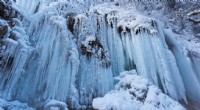
* Glacial Landforms: Glaciers carve out valleys, leave behind moraines, and shape mountains.
* Volcanic Eruptions: Volcanoes, a part of the geosphere, release gases and magma, which can interact with water in the hydrosphere, causing explosions and hydrothermal vents.
In essence, the hydrosphere and geosphere are not separate entities, but rather interconnected systems that constantly influence each other. Understanding their intricate relationship is crucial for comprehending Earth's complex and dynamic processes.