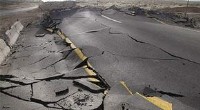
1. Geology: This focuses on the Earth's solid, non-living components, including rocks, minerals, landforms, and the processes that shape them. It encompasses areas like:
* Petrology: The study of rocks
* Mineralogy: The study of minerals
* Structural Geology: The study of rock deformation and faults
* Geomorphology: The study of landforms and their formation
* Paleontology: The study of fossils and ancient life
2. Oceanography: This investigates the Earth's oceans, encompassing:
* Physical Oceanography: The study of ocean currents, tides, waves, and the physical properties of seawater
* Chemical Oceanography: The study of the chemical composition of seawater and its interactions with the environment
* Biological Oceanography: The study of marine life and ecosystems
* Geological Oceanography: The study of the ocean floor and its processes
3. Meteorology: This deals with the Earth's atmosphere, weather, and climate, including:
* Weather Forecasting: Predicting future weather conditions
* Climatology: Studying long-term weather patterns and climate change
* Atmospheric Physics: Understanding the physical processes within the atmosphere
* Atmospheric Chemistry: Studying the composition and reactions within the atmosphere
4. Astronomy: While not strictly Earth science, it plays a crucial role in understanding the Earth's place in the universe and its evolution. It investigates:
* Celestial Bodies: Planets, stars, galaxies, and other objects in space
* Cosmology: The origin and evolution of the universe
* Astrophysics: The physics of celestial objects and phenomena
5. Environmental Science: This interdisciplinary field draws on aspects of Earth science and other disciplines to study the interactions between human activities and the environment, including:
* Pollution: The study of contaminants in the environment
* Climate Change: Understanding and mitigating the impacts of human-induced climate change
* Resource Management: Sustainable use of Earth's natural resources
* Conservation: Protecting biodiversity and ecosystems
These five areas are interconnected and often overlap, leading to a holistic understanding of the Earth system.