Here's how it works:
* Convergent Plate Boundaries: When tectonic plates collide, one plate can be forced under the other (subduction). This creates immense pressure and heat, which can cause the overriding plate to buckle, fold, and uplift, forming mountains.
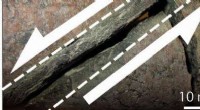
* Faulting: As the plates collide, they can also break apart along fault lines. These fractures allow for rocks to move vertically, resulting in mountains.
* Erosion: While tectonic forces create the initial uplift, erosion by wind and water play a crucial role in shaping the jagged peaks. They wear down the softer rock, leaving the harder, resistant rock to form the sharp peaks.
Example: The Himalayas, the world's tallest mountain range, were formed by the collision of the Indian and Eurasian tectonic plates. The immense forces involved created towering peaks like Mount Everest. The sharp peaks are the result of the long-term erosion of the mountains by glaciers, rivers, and wind.