1. The Laramide Orogeny (Mountain Building Event):
* Around 70-55 million years ago, the Laramide Orogeny pushed the North American Plate westward, causing the Earth's crust to buckle and uplift. This period led to the formation of the Rocky Mountains, including Pikes Peak.
2. Volcanic Activity:
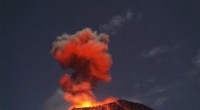
* Pikes Peak itself is not a classic volcanic peak with a crater, but it was formed through volcanic intrusion.
* Deep underground, molten rock, called magma, forced its way upwards through pre-existing sedimentary rock layers. This intrusion, known as a "laccolith," pushed the overlying rock layers upward, creating the dome-like structure of Pikes Peak.
3. Erosion:
* Over millions of years, wind, water, and ice carved away the surrounding rock, exposing the hard, resistant igneous rock that makes up Pikes Peak. This erosion has given the mountain its iconic, craggy appearance.
4. Glacial Activity:
* During the Pleistocene ice age, glaciers carved valleys and shaped the landscape around Pikes Peak. This glacial activity contributed to the mountain's unique features, including its steep slopes and U-shaped valleys.
The Timeline:
1. Sedimentary rock formation: About 1.8 billion years ago, a sea covered the area that is now Pikes Peak, depositing layers of sediment that turned into sedimentary rock.
2. Volcanic intrusion (Laccolith Formation): Around 70 million years ago, magma intruded into the sedimentary rock, creating the laccolith that would become Pikes Peak.
3. Laramide Orogeny: Continued mountain-building lifted Pikes Peak and the surrounding area.
4. Erosion & Glacial Activity: Over millions of years, erosion and glaciers shaped the mountain's present form.
Therefore, Pikes Peak's formation is a complex process involving a combination of geological events spanning hundreds of millions of years, showcasing the immense power and time scales involved in shaping the Earth's landscapes.