1. Wave Action:
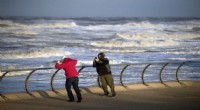
* Wave Refraction: Waves approach the coastline at an angle. When they encounter a headland, they are forced to bend inwards, concentrating wave energy and erosion on the headland. This is in contrast to the ends of inlets and bays, where waves tend to spread out, dissipating their energy.
* Wave Height: Due to wave refraction, waves are often taller and more powerful when they hit headlands, leading to stronger erosion.
* Wave Direction: Inlets and bays are often sheltered from the dominant wave direction, reducing the erosive power of waves on their ends.
2. Rock Type:
* Harder Rock: Headlands are often composed of harder, more resistant rocks like granite or basalt. This allows them to stand out from the surrounding softer rock that erodes more easily.
* Softer Rock: Ends of inlets and bays are often composed of softer, more easily eroded rocks like sandstone or clay. This allows the land to retreat more rapidly compared to the headland.
3. Tidal Currents:
* Stronger Currents: Headlands often experience stronger tidal currents due to their exposed position and the way water flows around them. These currents enhance erosion.
* Weaker Currents: Inlet and bay ends are often sheltered from strong tidal currents, leading to less erosion.
4. Seabed Topography:
* Shallow Seabed: The seafloor around headlands is often shallower, leading to wave energy concentrating and increasing erosion.
* Deeper Seabed: Inlets and bays tend to have deeper seabeds, allowing waves to dissipate their energy before reaching the ends.
5. Weathering:
* Increased Weathering: Headlands are more exposed to the elements, such as wind, rain, and frost, which contribute to weathering and erosion.
* Reduced Weathering: Ends of inlets and bays are often more sheltered, leading to less intense weathering.
Overall, these factors work together to create a cycle where headlands are eroded more rapidly than the land at the ends of inlets and bays. This process shapes coastlines, creating distinctive features like cliffs, stacks, arches, and caves.