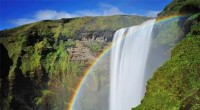
* Weathering and Erosion: Igneous rocks exposed at the surface are broken down by weathering (physical and chemical processes) and eroded by wind, water, and ice. This creates sediment.
* Sedimentation: The eroded sediment is transported by wind, water, or ice and eventually deposited in a new location, often in layers.
* Compaction and Cementation: Over time, the weight of overlying sediment compacts the layers, and dissolved minerals in groundwater cement the sediment particles together, forming sedimentary rock.
* Metamorphism: If sedimentary rock, or even igneous rock, is buried deep underground, it can be exposed to high temperatures and pressures. These conditions cause the minerals within the rock to recrystallize, transforming it into metamorphic rock.
The Rock Cycle is a Continuous Process:
It's important to remember that the rock cycle is ongoing. Metamorphic rocks can be uplifted and exposed, and they can then be weathered and eroded to create new sediment. Sedimentary rocks can be buried and metamorphosed. And even metamorphic rocks can be melted and solidify to form new igneous rocks, starting the cycle again.
So, to summarize:
* Igneous rock can be weathered and eroded to form sediment.
* Sediment can become sedimentary rock.
* Igneous or sedimentary rock can be transformed into metamorphic rock.
* All types of rocks can be melted and solidify to form new igneous rock.