Geological Evolution:
* Focus: Deals with the changes in Earth's physical structure, composition, and processes over time.
* Scale: Operates on vast timescales, spanning billions of years.
* Mechanisms: Includes plate tectonics, erosion, volcanic activity, weathering, sedimentation, and the formation and transformation of rocks and minerals.
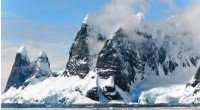
* Examples: Formation of mountains, continents, oceans, and fossil fuels; changes in climate and atmosphere; and the evolution of Earth's internal structure.
Organic Evolution:
* Focus: Deals with the changes in living organisms over time, specifically in their genetic makeup and phenotypic traits.
* Scale: Operates on smaller timescales, although it can span millions of years.
* Mechanisms: Driven by natural selection, genetic drift, mutation, and gene flow.
* Examples: The evolution of different species, the development of adaptations, and the diversification of life on Earth.
Interconnection:
* Influence: Geological evolution significantly shapes the environment in which organic evolution occurs. For example, continental drift can lead to the isolation of populations, driving speciation, or volcanic eruptions can create new habitats for colonization.
* Impact: Organic evolution also has a small but measurable impact on geological processes. For example, the evolution of life on Earth has altered the composition of the atmosphere and oceans, influencing weathering and climate.
Summary Table:
| Feature | Geological Evolution | Organic Evolution |
|---|---|---|
| Focus | Earth's physical structure and processes | Living organisms and their characteristics |
| Scale | Billions of years | Millions to billions of years |
| Mechanisms | Plate tectonics, erosion, volcanism, etc. | Natural selection, mutation, genetic drift, etc. |
| Examples | Formation of mountains, oceans, fossils | Evolution of species, adaptations, diversification |
Understanding both geological and organic evolution is crucial for comprehending the history of Earth and life on it. They are interwoven processes that have shaped the planet and its inhabitants over vast periods.