Here's a breakdown of how they happen:
* Magma Movement: As magma rises towards the surface, it exerts pressure on the surrounding rocks. This pressure can cause the rocks to fracture and shift, releasing energy as seismic waves.
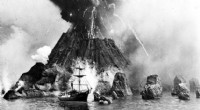
* Volcanic Eruptions: Magmatic earthquakes are often associated with volcanic eruptions, serving as a warning sign of impending activity. They can precede an eruption by days, weeks, or even months.
* Different Types: There are different types of magmatic earthquakes, including:
* Long-period earthquakes: These have a longer duration than typical earthquakes and are associated with the movement of fluids within a volcano.
* Harmonic tremors: These are continuous, low-frequency vibrations that can last for days or even weeks, indicating the movement of magma beneath the surface.
* Location: Magmatic earthquakes occur mainly in areas with active volcanoes, but they can also occur in regions where magma is moving deep within the Earth's crust.
Magmatic earthquakes are important indicators of volcanic activity. Scientists monitor these events closely to understand the behavior of volcanoes and to assess the risk of eruptions.