Understanding the History of Life:
* Evolutionary Evidence: Fossils show how life on Earth has changed over millions of years. They provide evidence for evolution, documenting the origins, diversification, and extinction of species.
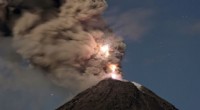
* Dating Rocks and Events: Fossils can be used to determine the age of rock layers and the timing of geological events, including mountain formation and volcanic eruptions.
* Climate and Environmental Reconstruction: Fossils of plants and animals can provide insights into past climates, environments, and ecosystems. For example, fossil pollen can reveal past vegetation types.
* Understanding Past Plate Tectonics: Fossil distribution can be used to track the movement of continents over geological time.
Scientific Research and Applications:
* Paleontology: Fossils are the primary source of information for paleontologists, who study prehistoric life.
* Geology: Fossils help geologists understand the history of the Earth and its resources.
* Biology: Fossil studies contribute to our understanding of biological processes, such as adaptation, evolution, and extinction.
* Medicine: Fossils can be used to study the evolution of diseases and to develop new treatments.
* Energy Exploration: Fossil fuels like oil and natural gas are formed from the remains of ancient organisms. Studying fossils helps find new reserves.
Other Uses:
* Education and Public Awareness: Fossils are captivating objects that spark curiosity and inspire learning about the natural world. They are displayed in museums and used in educational programs.
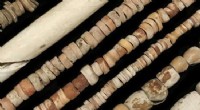
* Art and Aesthetics: Fossils are often incorporated into artwork, jewelry, and other decorative items.
* Tourism and Economic Value: Fossil discoveries can attract tourists and contribute to the economic development of certain areas.
Overall, fossils are not just relics of the past; they are essential tools for understanding the history of life, Earth, and ourselves.