Here's a breakdown:
* Subduction is the process where one tectonic plate (the denser oceanic plate) slides beneath another tectonic plate (the continental plate).
* Subduction zones are the areas where this process occurs.
Key characteristics of subduction zones:
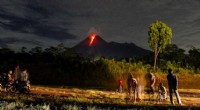
* Volcanoes: Subduction zones are often associated with volcanic activity. As the oceanic plate sinks, it melts, and the molten rock rises to the surface, creating volcanoes.
* Earthquakes: The movement of tectonic plates along subduction zones generates earthquakes.
* Trench: A deep depression in the ocean floor called a trench forms at the point where the oceanic plate begins to slide under the continental plate.
* Mountain Ranges: Subduction zones can also lead to the formation of mountain ranges, as the continental plate is uplifted and compressed.
Examples of Subduction Zones:
* The Andes Mountains in South America: Formed by the Nazca Plate subducting under the South American Plate.
* The Cascade Range in the Western United States: Formed by the Juan de Fuca Plate subducting under the North American Plate.
* The Japan Trench: The Pacific Plate subducts under the Eurasian Plate.
* The Mariana Trench (the deepest part of the ocean): Formed by the Pacific Plate subducting under the Philippine Plate.
Subduction zones are crucial geological features that shape the Earth's surface and are responsible for many of the planet's dramatic landscapes and geological events.