Agriculture:
* Fruits: Bananas, coconuts, mangoes, pineapples, papayas, and citrus fruits are significant agricultural products.
* Vegetables: Taro, yams, sweet potatoes, and other tropical vegetables are grown.
* Coffee: Coffee beans are a major export crop.
* Kava: A traditional beverage made from the kava plant is cultivated.
Forestry:
* Timber: While sustainable logging practices are encouraged, timber resources are limited due to conservation efforts.
* Medicinal plants: Samoa boasts diverse flora, providing a source of medicinal herbs.
Fisheries:
* Tuna: Samoa's waters are rich in tuna, a key source of protein and an important export commodity.
* Other fish species: A variety of other fish species are harvested, supporting local fishing communities.
Other:
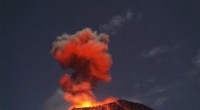
* Geothermal energy: The volcanic nature of Samoa offers potential for geothermal energy production.
* Tourism: Samoa's natural beauty, including pristine beaches, lush rainforests, and cultural heritage, attracts tourists.
Challenges and Considerations:
* Limited land area: Samoa is a small island nation with limited land available for agriculture and other uses.
* Environmental degradation: Deforestation, soil erosion, and pollution pose challenges to sustainable resource management.
* Climate change: Rising sea levels and more frequent extreme weather events threaten Samoa's coastal areas and agricultural productivity.
Sustainable Development:
Samoa is committed to sustainable development, prioritizing resource conservation and environmental protection. Efforts focus on:
* Sustainable agriculture: Promoting organic farming techniques and biodiversity conservation.
* Sustainable forestry: Encouraging responsible logging practices and reforestation programs.
* Marine conservation: Protecting coral reefs, marine ecosystems, and fisheries through sustainable fishing practices.
* Renewable energy: Investing in renewable energy sources like geothermal and solar power.
Overall, Samoa's natural resources provide a foundation for its economy and well-being. However, responsible management and sustainable practices are crucial to ensure their long-term viability.