1. Fresh snow: Snow has an albedo of around 0.8 to 0.9, meaning it reflects 80-90% of incoming sunlight. This is why snowy mountains and landscapes appear so bright.
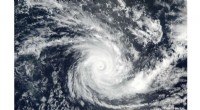
2. Clouds: Clouds are made up of water droplets or ice crystals, which reflect a significant portion of sunlight. The albedo of clouds can vary, but they generally have a high albedo, contributing to the Earth's overall reflectivity.
3. Sea ice: Sea ice, like snow, is very reflective, with an albedo of around 0.5 to 0.8. This high reflectivity plays a crucial role in regulating the Arctic climate.