1. Early Earth's Volcanic Outgassing:
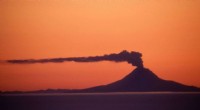
* Volcanoes: The early Earth was a very different place, with intense volcanic activity. As volcanoes erupted, they released large amounts of water vapor (H2O), along with other gases like carbon dioxide (CO2). This water vapor condensed in the atmosphere, forming clouds and eventually raining down on the Earth's surface, creating the first oceans.
2. Comets and Asteroids:
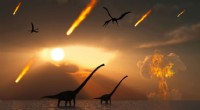
* Icy Bodies: Billions of years ago, during the early solar system, comets and asteroids containing significant amounts of water ice bombarded the Earth. These impacts contributed a substantial amount of water to the young Earth.
3. Other sources:
* Hydrated Minerals: Some minerals in the Earth's mantle (the layer beneath the crust) contain water molecules. These minerals release water during volcanic activity, contributing to the oceans.
Timeline:
* 4.5 Billion Years Ago (bya): Earth forms, likely with a small amount of water.
* 4.0 - 3.8 bya: Intense volcanic activity releases water vapor, forming the first oceans.
* 3.8 - 3.5 bya: Comets and asteroids continue to add water to the Earth.
Note:
* While the specific proportions of water from each source are still debated, the dominant sources are thought to be volcanic outgassing and icy comets and asteroids.
* It's important to note that the Earth's oceans are not static. They are constantly changing, losing and gaining water through various processes like evaporation, precipitation, and the water cycle.
In short, the water in our oceans came from a combination of Earth's own internal processes (volcanism) and external sources (comets and asteroids).