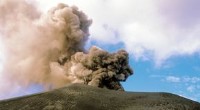
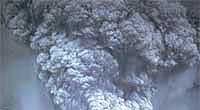
Igneous rocks are common in mountains formed by volcanic activity. These include:
* Extrusive igneous rocks: Formed from lava that cools and solidifies on the Earth's surface. Examples include basalt, rhyolite, and obsidian.
* Intrusive igneous rocks: Formed from magma that cools and solidifies beneath the Earth's surface. Examples include granite, diorite, and gabbro.
Metamorphic rocks are common in mountains formed by tectonic uplift and folding. These rocks are formed when existing rocks (igneous, sedimentary, or even other metamorphic rocks) are subjected to intense heat and pressure. Examples include:
* Marble: Formed from limestone.
* Slate: Formed from shale.
* Gneiss: Formed from granite.
* Schist: Formed from various sedimentary and igneous rocks.
Sedimentary rocks are also found in mountains, especially in areas where the mountains are being eroded. These rocks are formed from the accumulation and cementation of sediments, and include:
* Sandstone: Formed from sand grains.
* Conglomerate: Formed from gravel and pebbles.
* Limestone: Formed from the accumulation of marine organisms' shells.
Other rock types might also be present, depending on the specific mountain range. For example, mountains formed by glaciers might contain glacial till, which is a mixture of unsorted rock fragments.
Ultimately, the type of rock found in a mountain depends on the specific geological history of that mountain range.