Here are some key pieces of evidence:
1. Plate Tectonics and the Geosphere:
* Fossil Evidence: Identical fossils found on different continents across vast oceans strongly suggest that these continents were once connected.
* Geological Evidence: Matching rock formations and geological structures on different continents, such as mountain ranges and rock types, point to a shared past.
* Magnetic Stripes: The pattern of magnetic stripes on the ocean floor provides compelling evidence of seafloor spreading and the movement of tectonic plates.
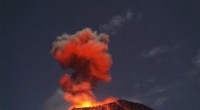
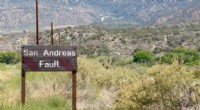
* Seismicity and Volcanism: The distribution of earthquakes and volcanoes along plate boundaries reveals the dynamic nature of Earth's crust and the interactions between tectonic plates.
2. Atmosphere and Hydrosphere:
* Global Circulation Patterns: Wind patterns and ocean currents are interconnected and driven by solar energy, creating a complex system of heat and water transport.
* Water Cycle: The constant movement of water between the atmosphere, oceans, and land surface, driven by solar energy and gravity, demonstrates a close relationship between these components.
* Greenhouse Effect: Greenhouse gases in the atmosphere trap heat from the sun, contributing to Earth's climate and influencing the hydrosphere.
3. Biosphere and Geosphere:
* Fossils: Fossils embedded in rocks provide evidence of past lifeforms and their interactions with the Earth's environment.
* Soil Formation: Soil is formed through the breakdown of rocks and organic matter, demonstrating a close relationship between the biosphere and geosphere.
* Weathering and Erosion: Biological processes such as plant roots and animal burrows can contribute to weathering and erosion, shaping the landscape.
4. Interconnected Systems:
* Climate Change: Changes in one part of the Earth system, such as increased greenhouse gases in the atmosphere, can have significant impacts on other parts, such as rising sea levels and altered weather patterns.
* Biogeochemical Cycles: Cycles such as the carbon cycle, nitrogen cycle, and phosphorus cycle involve the movement of elements through different parts of the Earth system, highlighting the interdependence of these components.
5. Scientific Modeling and Simulation:
* Computer Models: Scientists use complex computer models to simulate Earth systems and their interactions, allowing them to test hypotheses and predict future scenarios.
* Laboratory Experiments: Controlled experiments in laboratories can help scientists understand the interactions between different components of Earth's systems.
The evidence for the relationships between Earth's parts is abundant and multifaceted. Scientists continue to investigate these relationships through ongoing research and technological advancements, leading to a deeper understanding of our planet's complex and dynamic systems.