Here's a breakdown of what happens:
* Melting Point: Every rock has a specific temperature at which it transitions from solid to liquid. This is called the melting point.
* Heat and Energy: As heat is applied to a rock, the atoms and molecules within it vibrate faster.
* Breaking Bonds: When the temperature reaches the melting point, the vibrations become so intense that they overcome the bonds holding the solid structure together.
* Liquid Magma: The rock then transforms into a molten state, becoming magma. This magma can be extremely hot, ranging from 700°C to 1300°C (1292°F to 2372°F).
* Factors Influencing Melting Point: The composition of the rock, pressure, and the presence of water can all influence the melting point.
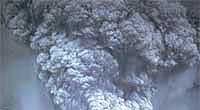
Important Note: The term "magma" refers to molten rock found beneath the Earth's surface. Once it erupts and flows onto the surface, it is called "lava".