Home
Chemistry
Astronomy
Energy
Nature
Biology
Physics
Electronics
Science
>>
Science Discoveries
> >>
Geology
Minerals: Definition, Characteristics & Examples
A mineral is a naturally occurring, solid, inorganic substance with a definite chemical composition and a characteristic crystalline structure.
Understanding Longitude: Degrees, Minutes, and Seconds Explained
Common Minerals in Igneous Rocks: Feldspar & Quartz
Geology
Inside Tornadoes: The Science Behind Nature’s Most Powerful Storms
Why a Hygrometer Matters Even If You Have a Thermostat
Understanding Santa Ana Winds: Causes, Effects, and Safety Tips
Science Discoveries
New Stellar Streams Reveal Galaxy’s Complex, Diverse Origins
UEFA Introduces Advanced Camera System for Precise Offside Decisions in the Champions League
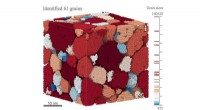
Real‑Time 3‑D Microstructure Imaging with Machine‑Learning
Science Discoveries
Chemistry
Astronomy
Energy
Nature
Biology
Physics
Electronics
Geology
Solar Eclipse
Math
other
Nanotechnology
Geology
Evacuees vs. Refugees: How to Define People Displaced by Natural Disasters
5 Proven Strategies to Stay Safe During Thunderstorms
Is a Category 6 Hurricane Scale Necessary?
Can Lightning Strike You While Indoors?
Are Tornadoes Exclusive to North America? Debunking the Global Myth
New Study Reveals Decades-Long Volcanic Death Rates – Updated Analysis
|
Geology
|
Math
|
Solar Eclipse
Science Discoveries © www.scienceaq.com