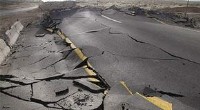
* Convergent Boundaries: Where plates collide, causing one to slide under the other (subduction). These zones are highly active with earthquakes, including major ones. Examples: the Ring of Fire around the Pacific Ocean, the Himalayas.
* Divergent Boundaries: Where plates move apart, creating new crust. Earthquakes here are generally less severe but more frequent. Examples: the Mid-Atlantic Ridge, the East African Rift Valley.
* Transform Boundaries: Where plates slide past each other horizontally. These boundaries can experience powerful earthquakes, especially when friction between the plates is high. Example: the San Andreas Fault in California.
Other factors that influence earthquake occurrence:
* Volcanic activity: Areas with active volcanoes often experience earthquakes.
* Human activity: Fracking, dam construction, and other activities can induce earthquakes.
While the majority of earthquakes occur along plate boundaries, it's important to note that earthquakes can also happen within plates, although they are generally less frequent and powerful.