1. Igneous Rocks:
* Formation: Formed from the cooling and solidification of molten rock (magma or lava).
* Types:
* Intrusive: Formed when magma cools and crystallizes beneath the Earth's surface (e.g., granite, gabbro).
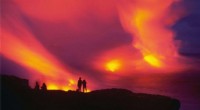
* Extrusive: Formed when lava cools and solidifies on the Earth's surface (e.g., basalt, obsidian).
2. Sedimentary Rocks:
* Formation: Formed from the accumulation and cementation of sediments (pieces of other rocks, minerals, organic matter).
* Types:
* Clastic: Formed from fragments of other rocks (e.g., sandstone, shale, conglomerate).
* Chemical: Formed by precipitation of minerals from water (e.g., limestone, rock salt).
* Organic: Formed from the accumulation of organic matter (e.g., coal, oil shale).
3. Metamorphic Rocks:
* Formation: Formed when existing rocks (igneous, sedimentary, or other metamorphic rocks) are transformed by heat, pressure, and/or chemical reactions.
* Types:
* Foliated: Have a layered or banded appearance (e.g., slate, schist, gneiss).
* Non-foliated: Do not have a layered appearance (e.g., marble, quartzite).
The Rock Cycle:
It's important to remember that these three types of rocks are interconnected through the rock cycle. Rocks can be transformed from one type to another through various geological processes, such as:
* Weathering and Erosion: Break down existing rocks into sediments.
* Transportation and Deposition: Sediments are carried away and deposited in new locations.
* Lithification: Sediments are compacted and cemented together to form sedimentary rocks.
* Melting and Crystallization: Rocks can melt into magma or lava and then solidify to form igneous rocks.
* Metamorphism: Existing rocks can be transformed by heat, pressure, and/or chemical reactions to form metamorphic rocks.