Mountain Ranges:
* Folded Mountains: The immense pressure from the collision causes the rock layers to buckle and fold, creating mountain ranges like the Himalayas and the Alps.
* Thrust Faults: These are breaks in the rock where one block has been pushed over another, often forming prominent cliffs or escarpments.
Volcanoes:
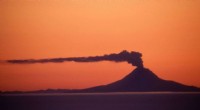
* Subduction Zones: When one plate dives beneath another (subduction), the descending plate melts, generating magma that rises to the surface, creating volcanoes. The Pacific Ring of Fire is a prime example.
* Island Arcs: Chains of volcanic islands often form along the edge of continents where subduction is taking place, such as Japan and the Aleutian Islands.
Earthquakes:
* Deep-Focus Earthquakes: These occur along the subduction zone, often at depths of hundreds of kilometers.
* Shallow-Focus Earthquakes: These occur closer to the surface, often in the area where the plates are actually colliding.
Other Features:
* Ocean Trenches: The deepest parts of the ocean floor are formed where one plate dives beneath another (subduction zone).
* Metamorphic Rocks: The intense pressure and heat associated with plate collisions transform existing rocks into metamorphic rocks like marble, slate, and gneiss.
* Accretionary Prisms: As sediments pile up along the edge of the colliding plates, they get scraped off and compressed, forming an accretionary wedge.
It's important to note: The specific features that develop at a convergent plate boundary depend on the types of plates involved (continental or oceanic) and the direction of their movement.