1. Subduction:
- The Nazca tectonic plate is being forced beneath the South American plate.
- As the denser Nazca plate descends, it melts due to friction and the increasing temperature.
- This melting process creates magma, which is less dense than the surrounding rock.
2. Magma Ascent:
- The buoyant magma rises through the overlying crust, creating a magma chamber.
- The pressure of the magma eventually overcomes the strength of the surrounding rock, causing a volcanic eruption.
3. Eruptive Activity:
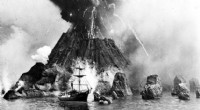
- The initial eruptions were likely explosive, producing pyroclastic flows (hot, fast-moving currents of gas and rock) and ash falls.
- As the volcano grew, the eruptions became more effusive, with lava flows building up the cone.
- This process of alternating explosive and effusive eruptions continued over thousands of years, gradually building up the imposing cone of Misti.
4. Stratification:
- The alternating layers of lava flows, ash, and pyroclastic deposits give stratovolcanoes like Misti their characteristic layered structure.
- This stratification is also responsible for the steep slopes and relatively symmetrical cone shape.
5. Ongoing Activity:
- Misti is currently considered active, although it has not erupted in recent history.
- The presence of fumaroles (vents that emit volcanic gases) and the potential for future eruptions make Misti a constant reminder of the dynamic nature of the Earth's crust.
In Summary: Misti's formation is a result of the interaction between tectonic plates, the creation of magma, and the subsequent volcanic eruptions that shaped its distinctive cone over millennia.