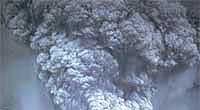
1. Geosphere (Solid Earth):
* Crust: The outermost layer, thin and rigid, composed of lighter elements like silicon and oxygen. It's divided into oceanic crust (denser, thinner) and continental crust (less dense, thicker).
* Mantle: The largest layer, extending from the crust to the core. It's mostly solid, but behaves like a viscous fluid over long periods, driving plate tectonics. It's composed of denser materials like iron, magnesium, and silicon.
* Core: The Earth's innermost layer, composed primarily of iron and nickel. It's divided into a liquid outer core (responsible for Earth's magnetic field) and a solid inner core (extremely hot and under immense pressure).
2. Hydrosphere (Water):
* Oceans: The largest component, covering 71% of the Earth's surface.
* Lakes and Rivers: Inland bodies of water.
* Groundwater: Water stored beneath the Earth's surface.
* Ice Caps and Glaciers: Frozen water at the poles and high altitudes.
* Atmospheric Water: Water vapor in the atmosphere.
3. Atmosphere (Air):
* Troposphere: The lowest layer, containing most of the atmosphere's mass and all weather phenomena.
* Stratosphere: Contains the ozone layer, which absorbs harmful ultraviolet radiation.
* Mesosphere: The middle layer, where most meteors burn up.
* Thermosphere: Characterized by very high temperatures due to absorption of solar radiation.
* Exosphere: The outermost layer, gradually merging with outer space.
4. Biosphere (Life):
* All living organisms: From microscopic bacteria to giant trees and humans.
* Ecosystems: Communities of living organisms interacting with their environment.
* Biodiversity: The variety of life on Earth.
Interactions between Geospheres:
The geospheres are constantly interacting and influencing each other. For example:
* Hydrosphere and Atmosphere: Water evaporates from oceans and lakes, forming clouds in the atmosphere.
* Biosphere and Atmosphere: Plants release oxygen during photosynthesis, while animals breathe in oxygen and release carbon dioxide.
* Geosphere and Atmosphere: Volcanic eruptions release gases and particles into the atmosphere.
* Hydrosphere and Geosphere: Water erodes rocks and shapes landforms.
Understanding the geospheres and their interactions is crucial for comprehending the Earth's complex systems and for addressing environmental challenges.