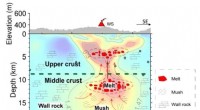
* Plate Tectonics: The Earth's crust is made up of large plates that constantly move and interact. Massachusetts sits on the North American Plate, which is relatively stable compared to areas where plates collide or separate.
* Faults: Earthquakes occur when rocks along a fault line (a fracture in the Earth's crust) suddenly slip past each other. While Massachusetts has some faults, they are generally less active than those found in regions like California.
* Historical Activity: Historically, Massachusetts has experienced a few significant earthquakes, such as the 1755 Cape Ann earthquake that caused damage across New England. However, the frequency and intensity of earthquakes in the region are significantly lower compared to other parts of the world.
However, it's important to note that:
* Earthquakes can still happen in Massachusetts. Although less frequent and intense, they can still cause damage and disruption.
* Seismic activity is monitored in Massachusetts. The USGS and other organizations track and study earthquakes, and the state has developed a seismic hazard map to assess potential risks.
In summary, while earthquakes in Massachusetts are relatively rare and generally mild, it's important to be aware of the potential for seismic activity and to take appropriate precautions.