1. Natural Rapid Changes:
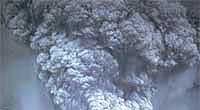
* Volcanic Eruptions: These dramatic events can drastically alter landscapes within hours or days. They create new landforms (like islands), spew ash and lava that transform existing terrain, and can even cause landslides and tsunamis.
* Earthquakes: These powerful tremors can shift the earth's crust, creating mountains, valleys, and rifts. They can also trigger landslides and tsunamis, drastically altering coastlines.
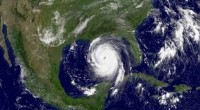
* Weather Events: Extreme weather like hurricanes, tornadoes, and floods can cause significant erosion, deposition, and landform changes within a short period. They can reshape coastlines, carve canyons, and even change the flow of rivers.
* Glacial Retreat and Advance: Though slow over long timescales, periods of rapid glacial retreat or advance can cause major changes in landscapes. Retreating glaciers leave behind carved valleys, lakes, and deposited moraines.
* Wildfires: These can spread rapidly, burning vegetation, eroding soil, and altering the landscape. They can also contribute to landslides and change the composition of plant communities.
2. Human-Induced Rapid Changes:
* Deforestation: Clearing forests for agriculture, development, and other uses can lead to soil erosion, loss of biodiversity, and altered water cycles. These changes can happen rapidly, especially with large-scale deforestation projects.
* Mining and Quarrying: These activities can dramatically change the landscape, creating large pits, dumps, and altered terrain. They can also pollute water sources and affect surrounding ecosystems.
* Construction and Urbanization: Building cities and infrastructure involves large-scale land transformation, altering natural landscapes and impacting natural processes like water flow and erosion.
* Climate Change: While the overall effects of climate change are gradual, they can lead to rapid changes in certain areas. Sea-level rise can cause coastal erosion and flooding, while extreme weather events become more frequent and intense, causing rapid changes in landscapes.
Key Takeaways:
* Earth's surface is constantly changing, both naturally and due to human activities.
* Rapid changes are often dramatic, resulting in significant transformations of landscapes.
* Understanding these rapid changes is crucial for managing environmental resources, mitigating risks, and adapting to a changing planet.
Remember, these are just some examples. Many other factors contribute to rapid changes in Earth's surface. It's a dynamic system with a complex interplay of natural and human influences.