Created by Tectonic Activity:
* Mountains: Formed by the collision of tectonic plates, creating folds, faults, and uplifts. Examples: Himalayas, Andes, Rocky Mountains.
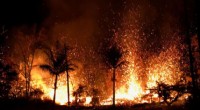
* Volcanoes: Formed when molten rock (magma) from the Earth's interior erupts onto the surface. Examples: Mount Fuji, Mount Vesuvius, Mauna Loa.
* Plateaus: Large, elevated areas of flat land. Often formed by volcanic activity or uplift. Examples: Colorado Plateau, Tibetan Plateau.
* Canyons: Deep, narrow valleys formed by erosion, often by rivers. Examples: Grand Canyon, Bryce Canyon.
* Rift Valleys: Long, narrow depressions in the Earth's surface caused by the pulling apart of tectonic plates. Examples: Great Rift Valley in Africa.
Created by Erosion:
* Valleys: Depressions in the land, often formed by rivers or glaciers. Examples: Yosemite Valley, Death Valley.
* Canyons: (As described above)
* Deltas: Triangular-shaped areas of land formed at the mouth of a river where it enters a larger body of water. Examples: Nile Delta, Mississippi Delta.
* Beaches: Areas of sand or pebbles along a coastline, formed by waves and currents.
* Sand Dunes: Mounds of sand created by wind. Examples: Sahara Desert, Namib Desert.
* Badlands: Arid, barren regions with steep, eroded hills and canyons. Examples: Badlands National Park, South Dakota.
* Glacial Landforms:
* Cirques: Bowl-shaped depressions formed by glaciers.
* U-Shaped Valleys: Valleys carved by glaciers, with steep sides and a flat bottom.
* Moraines: Ridges of rock and sediment deposited by glaciers.
* Drumlins: Elongated hills of glacial till.
Other Major Landforms:
* Islands: Areas of land surrounded by water. Examples: Hawaii, Iceland, Madagascar.
* Peninsulas: Areas of land that extend out into a body of water, but are connected to a larger landmass. Examples: Florida, Italy, Korea.
* Lakes: Bodies of water surrounded by land. Examples: Lake Superior, Lake Baikal, Great Salt Lake.
Key Points:
* The formation of landforms is a complex process involving tectonic activity, erosion, and weathering.
* Landforms are constantly changing due to these forces.
* Landforms can vary greatly in size and shape.
This is just a small sampling of the many major landforms found on Earth.