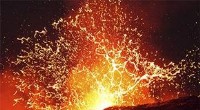
1. Convection Currents:
* Heat Source: The Earth's core generates immense heat, which is transferred outwards.
* Mantle Flow: This heat causes convection currents within the semi-solid mantle. Hotter, less dense material rises, while cooler, denser material sinks.
* Plate Movement: These convection currents act like giant conveyor belts, dragging the tectonic plates along with them.
2. Slab Pull:
* Subduction Zones: At convergent plate boundaries, one plate dives beneath another (subduction).
* Gravity: The denser subducting plate pulls the rest of the plate behind it, creating a "slab pull" force.
3. Ridge Push:
* Mid-Ocean Ridges: New oceanic crust is generated at mid-ocean ridges where plates pull apart.
* Gravity: The elevated crust at the ridge pushes the plates away from the ridge, creating a "ridge push" force.
4. Other Factors:
* Rotation of the Earth: The Earth's rotation can influence plate movement, particularly in the direction of plate motion.
* Tides: The gravitational pull of the moon and sun can exert a minor influence on plate movement.
These forces are constantly interacting, leading to the intricate dance of tectonic plates that shapes the Earth's surface. The movement results in various geological phenomena, including:
* Earthquakes: Caused by the sudden release of built-up stress along plate boundaries.
* Volcanoes: Occur when magma rises from the mantle, often at plate boundaries.
* Mountain Ranges: Formed by the collision of tectonic plates.
* Ocean Basins: Created by the divergence and spreading of tectonic plates.
Understanding these forces is crucial for comprehending the dynamic processes shaping our planet and predicting future geological events.