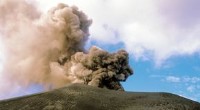
* Volcanic Soil: Vesuvius is an active volcano, and its eruptions deposit layers of ash and other volcanic material on the surrounding land. This material breaks down over time, creating rich, fertile soil.
* Nutrients: Volcanic ash is rich in minerals like potassium, phosphorus, and calcium, which are essential for plant growth.
* Drainage: The volcanic soil has excellent drainage, allowing water to penetrate easily and preventing waterlogging, which can harm plant roots.
* Warm Climate: The area around Vesuvius enjoys a warm Mediterranean climate with plenty of sunshine, ideal for agriculture.
However, it's important to note:
* Risk of Eruptions: While volcanic soil is fertile, living near an active volcano poses a significant risk of volcanic eruptions.
* Erosion: The loose volcanic soil can be susceptible to erosion, especially in areas with heavy rainfall.
Overall, the fertile soil near Mount Vesuvius has made it a desirable place for agriculture for centuries. However, the risks associated with volcanic activity must be carefully considered.