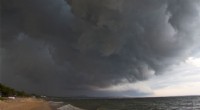
Here's why:
* Formation: The outer coastal plain is formed by sediment deposited by rivers and ocean currents over millions of years. This sediment is typically fine-grained, resulting in a flat surface.
* Erosion: The outer coastal plain is also subject to erosion by wind and waves, which further flattens the terrain.
* Elevation: The outer coastal plain is typically located at a relatively low elevation, often only a few feet above sea level. This low elevation contributes to its flatness.
However, there can be minor variations in elevation within the outer coastal plain, such as:
* River terraces: Some areas may exhibit slight rises in elevation due to the presence of old riverbeds.
* Coastal dunes: Coastal areas may have sand dunes, which can create small hills.
* Isolated hills: In rare cases, there might be isolated hills or outcroppings of bedrock that protrude above the flat terrain.
Overall, though, the outer coastal plain is generally characterized by flat, low-lying terrain.