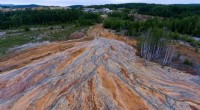
* Fossils form in sedimentary rock: Fossils are most commonly found in sedimentary rock, which is formed from layers of sediment like sand, silt, and clay. These layers compress and solidify over time.
* Soil is the top layer: Soil is the uppermost layer of the Earth's surface, made from weathered rock and organic matter. While it can contain pieces of rock, it's not the primary location for fossilization.
* Erosion and weathering: Erosion and weathering processes can expose buried fossils, bringing them to the surface and potentially into the soil. This makes it possible to find them in the soil.
* Location matters: The type of soil, the location's geological history, and the age of the soil all influence the likelihood of finding fossils. For example, you're more likely to find fossils in soil derived from ancient sedimentary rock formations.
Here are some tips for finding fossils in soil:
* Look in areas with exposed rock: Areas where rock formations are exposed due to erosion or human activities are good starting points.
* Focus on sedimentary rocks: Sedimentary rocks like sandstone, limestone, and shale are more likely to contain fossils.
* Examine riverbeds and stream banks: These areas often expose layers of sediment that may contain fossils.
* Be patient and observant: Finding fossils requires time, patience, and a keen eye.
* Be respectful of the environment: Never disturb or damage fossils, and leave the area as you found it.
Remember, finding fossils is a fun and rewarding experience, but it's important to understand the geological processes involved and be respectful of the environment.