1. Shield Volcanoes: These are characterized by their broad, gently sloping cones formed by layers of fluid, basaltic lava flows. They tend to have non-explosive eruptions with lava flowing slowly and spreading over large areas. Examples include Mauna Loa in Hawaii and the volcanoes of Iceland.
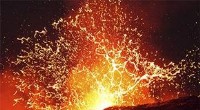
2. Cinder Cone Volcanoes: These are small, steep-sided cones built up from accumulated cinders, ash, and volcanic bombs ejected from a single vent during explosive eruptions. Cinder cones are typically short-lived and erupt for only a short period. Examples include Paricutin in Mexico and Sunset Crater in Arizona.
3. Composite Volcanoes (Stratovolcanoes): These are large, cone-shaped volcanoes built up by layers of lava flows, ash, and other volcanic debris. They tend to have explosive eruptions that can be highly destructive. Composite volcanoes are often found in subduction zones, where oceanic plates collide with continental plates. Examples include Mount Fuji in Japan, Mount Vesuvius in Italy, and Mount Rainier in the United States.