Time:
* Permian: 298.9 to 251.9 million years ago (mya)
* Quaternary: 2.58 million years ago to present
Climate:
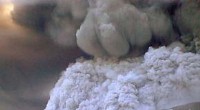
* Permian: Generally warm and dry with widespread deserts. Towards the end, a series of volcanic eruptions led to a significant increase in greenhouse gases, resulting in extreme warming and ultimately contributing to the mass extinction.
* Quaternary: Characterized by cyclical glacial periods (ice ages) interspersed with warmer interglacial periods. This is largely attributed to variations in Earth's orbit and the amount of solar radiation received.
Life:
* Permian: Marked by the dominance of synapsids (mammal-like reptiles) and the rise of reptiles. This period saw the evolution of diverse tetrapods, including early ancestors of mammals and dinosaurs. The end of the Permian saw the greatest mass extinction event in Earth's history, the Permian-Triassic extinction, which wiped out over 90% of marine species and 70% of terrestrial vertebrate species.
* Quaternary: Marked by the evolution and diversification of modern mammals, birds, and plants. Humans evolved during this period, and their activities have significantly impacted the biosphere.
Geological Events:
* Permian: The formation of Pangaea, a supercontinent, was a major geological event. The period also saw significant volcanic activity, including the Siberian Traps, which contributed to the Permian-Triassic extinction.
* Quaternary: Characterized by major glacial cycles that sculpted landscapes, forming glaciers, valleys, and fjords. This period also saw the uplift of mountain ranges like the Himalayas and the Andes.
Key differences in a table:
| Feature | Permian | Quaternary |
|------------------|-------------------------------|-------------------------------|
| Time | 298.9 - 251.9 mya | 2.58 mya - present |
| Climate | Warm and dry, with deserts | Glacial and interglacial cycles |
| Dominant Life | Synapsids, reptiles | Modern mammals, birds, plants |
| Geological Events | Formation of Pangaea, volcanic activity | Glacial cycles, mountain uplift |
| Extinction Events | Permian-Triassic extinction (90% marine life, 70% terrestrial vertebrates) | None, but human activity is causing a sixth mass extinction |
In essence, the Permian was a very different Earth from the Quaternary. While the Permian saw a time of great change and diversification, it ended with a catastrophic extinction event. The Quaternary, in contrast, is characterized by a more stable climate with cycles of glacial and interglacial periods and the rise of modern life, including humans.