1. Tectonic Plate Movement:
* Divergent Boundaries: Where plates move apart, magma rises from the mantle, creating new crust and causing the existing crust to crack and spread. This process forms rift valleys and mid-ocean ridges.
* Convergent Boundaries: Where plates collide, one plate can subduct (slide) under the other, causing the overlying plate to buckle and crack. This can lead to the formation of mountain ranges, volcanoes, and earthquakes.
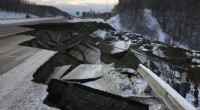
* Transform Boundaries: Where plates slide past each other horizontally, the friction between them can cause the crust to break and form fault lines. This type of movement is responsible for many earthquakes, like those along the San Andreas Fault.
2. Stress and Strain:
* Compression: When rocks are squeezed together, they can crack and break. This is common at convergent boundaries.
* Tension: When rocks are pulled apart, they can also crack. This is common at divergent boundaries.
* Shear: When rocks slide past each other, they can experience shearing stress, leading to cracks. This is common at transform boundaries.
3. Other Factors:
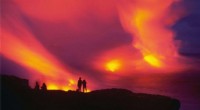
* Volcanic Activity: The movement of magma beneath the surface can create pressure that can cause cracks in the crust.
* Erosion: Weathering and erosion can gradually weaken rocks, making them more susceptible to cracking.
* Human Activity: Activities such as mining, fracking, and dam construction can also contribute to the formation of cracks.
Types of Cracks (Faults):
* Normal Faults: Occur when rocks are pulled apart, creating a hanging wall that moves down relative to the footwall.
* Reverse Faults: Occur when rocks are pushed together, creating a hanging wall that moves up relative to the footwall.
* Strike-Slip Faults: Occur when rocks slide past each other horizontally.
Understanding the causes of cracks in the Earth's crust is essential for predicting earthquakes and other geological events, as well as for managing the risks associated with them.