1. Formation of Mountains and Continents: The collision of tectonic plates can create mountains and even entire continents. When two continental plates collide, they buckle and fold, creating mountain ranges like the Himalayas. This process, called orogeny, also builds up landmasses over time, leading to the formation of continents.
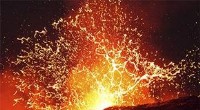
2. Creation of Volcanoes and Earthquakes: The movement of tectonic plates also causes volcanic activity and earthquakes. When plates move apart (divergent boundaries), magma rises from the Earth's mantle, creating volcanic activity. When plates collide (convergent boundaries), one plate can slide under the other (subduction), generating intense pressure that leads to earthquakes.
3. Formation of Ocean Basins and Trenches: The movement of tectonic plates also creates ocean basins and trenches. At divergent boundaries, plates move apart, allowing magma to rise and form new oceanic crust. This process, called seafloor spreading, creates new ocean basins. Conversely, at convergent boundaries, one plate can slide under the other (subduction), creating deep trenches in the ocean floor.
These are just a few of the ways that plate tectonics has changed the Earth's surface. The constant movement of these giant plates has shaped the planet's landforms and created the diverse geological features we see today.