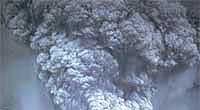
1. Magmatic Processes:
* Intrusive Deposits: When magma cools slowly beneath the Earth's surface, minerals crystallize and separate based on their melting points. This forms large bodies of ore minerals, like platinum, chromium, and nickel.
* Extrusive Deposits: When magma erupts as lava, it cools quickly. This can form mineral deposits of iron, copper, and gold.
2. Hydrothermal Processes:
* Hot Water Solutions: Heated water, often originating from magma, dissolves minerals and carries them through rocks. As the water cools, the minerals precipitate out, forming deposits. This process is responsible for many gold, silver, copper, and lead deposits.
* Black Smokers: These hydrothermal vents on the ocean floor spew hot, mineral-rich water. This water rapidly cools and precipitates sulfides, forming deposits of copper, zinc, and manganese.
3. Sedimentary Processes:
* Evaporites: In arid climates, evaporation of water bodies concentrates dissolved minerals, leading to the formation of deposits like gypsum, halite (rock salt), and potash.
* Chemical Precipitation: Minerals precipitate out of water solutions due to changes in temperature, pressure, or chemical composition. This process forms deposits of iron ore, phosphates, and manganese nodules.
* Biogenic Deposits: Organisms like corals and shellfish extract minerals from seawater to build their shells and skeletons. Over time, these accumulate and form deposits like limestone and phosphorite.
4. Weathering and Erosion:
* Residual Deposits: As rocks weather, they release their minerals. In certain environments, these minerals can accumulate to form deposits. Bauxite (aluminum ore) is an example.
* Placer Deposits: Weathering and erosion can concentrate heavy minerals, such as gold, platinum, and diamonds, in riverbeds, beaches, and other sedimentary environments.
5. Metamorphic Processes:
* Recrystallization: Heat and pressure can transform existing minerals into new ones. This process can create deposits of gemstones like rubies and sapphires.
* Hydrothermal Alteration: Heated water can react with existing minerals, changing their composition and forming new mineral deposits.
Factors Influencing Mineral Deposit Formation:
* Geology: The type of rocks and their structural features influence where minerals can accumulate.
* Climate: Arid climates favor evaporite deposits, while humid climates are better for bauxite formation.
* Plate Tectonics: Plate movements drive magma up to the surface and create zones where minerals can accumulate.
* Time: Many mineral deposits form over millions of years.
Understanding these processes helps us locate, extract, and utilize mineral resources sustainably for the benefit of society.