Gulf of Mexico Winds:
* Warm, humid air: These winds bring warmth and moisture to the southeastern United States, particularly in the spring and summer. This can lead to:
* Heavy rainfall: The Gulf of Mexico is a major source of moisture for hurricanes, as well as general thunderstorms and heavy rains.
* High humidity: This can make temperatures feel hotter than they actually are.
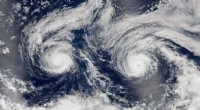
* Tropical storms and hurricanes: Warm, moist air from the Gulf provides fuel for these destructive storms.
* Tropical vegetation and ecosystems: The moist air supports diverse plant life and ecosystems in the southeastern US.
Arctic Winds:
* Cold, dry air: These winds bring frigid temperatures and little moisture to the northern parts of North America and Eurasia. This can lead to:
* Winter storms: Arctic winds can interact with warmer air masses, causing snow and ice storms.
* Freezing temperatures: These winds can lead to extreme cold and frostbite.
* Dry conditions: The lack of moisture can create dry conditions, increasing the risk of wildfires.
* Polar vortex events: Strong Arctic winds can sometimes dip south, bringing unusually cold temperatures to lower latitudes.
Combined Effects:
* Severe Weather: The interaction of these two wind systems can create conditions for severe weather events like tornadoes and blizzards.
* Climate Patterns: The long-term movement and strength of these winds influence regional and global climate patterns.
Important Note: The specific effects of these winds will vary depending on the specific location, season, and other atmospheric conditions.