Latitude:
* Solar Radiation: Latitude directly affects the amount of solar radiation received at a location. Areas near the equator (low latitudes) receive more direct sunlight and experience higher temperatures than areas further away (high latitudes). This is because the sun's rays hit the Earth at a more direct angle at the equator, spreading the energy over a smaller area.
* Length of Day/Night: Latitude influences the length of daylight hours throughout the year. At the equator, the day and night are always nearly equal in length. As you move towards the poles, the difference in daylight hours becomes more pronounced, leading to longer days in summer and shorter days in winter.
* Air Circulation Patterns: Latitude is a major factor in determining global air circulation patterns. Warm air rises at the equator, creating a zone of low pressure and resulting in abundant rainfall. As the air moves towards the poles, it cools, descends, and creates zones of high pressure with drier conditions.
Longitude:
* Proximity to Oceans: Coastal areas tend to have more moderate climates than inland areas due to the moderating effect of large bodies of water. Oceans absorb and release heat more slowly than land, which helps regulate temperatures. This effect is more pronounced in regions with westward-flowing ocean currents.
* Mountain Ranges: Mountain ranges can act as barriers to air movement, creating rain shadows on the leeward side of the mountains. This results in dry conditions on the leeward side and wetter conditions on the windward side.
* Prevailing Winds: Longitude influences prevailing wind patterns, which can carry moisture from one location to another. For example, the trade winds, which blow from east to west in the tropics, carry moisture from the oceans to the continents, contributing to higher rainfall.
Combining Latitude and Longitude:
The combined effect of latitude and longitude creates diverse climate zones around the world. For example:
* Tropical Climates: Occur near the equator (low latitudes), characterized by high temperatures and abundant rainfall year-round.
* Temperate Climates: Found in mid-latitudes, experiencing distinct seasons with moderate temperatures and rainfall.
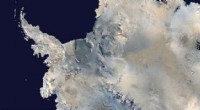
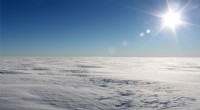
* Polar Climates: Located at high latitudes, characterized by cold temperatures and low precipitation.
Additional Factors:
While latitude and longitude are crucial, other factors also influence climate, including:
* Altitude: Higher altitudes are generally cooler than lower altitudes.
* Ocean Currents: Warm and cold ocean currents can significantly influence regional temperatures.
* Landforms: Mountains, valleys, and other landforms can affect wind patterns and precipitation.
* Human Activity: Human activities like deforestation, urbanization, and greenhouse gas emissions can also impact climate.
In conclusion, latitude and longitude are fundamental determinants of climate, influencing solar radiation, air circulation patterns, and proximity to oceans. However, other factors also play a role in creating the complex and diverse climate patterns we observe across the globe.