Here's a breakdown of how rocks form and the processes involved:
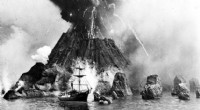
* Igneous Rocks: Formed from the cooling and solidification of magma (molten rock) or lava. The cooling process is primarily driven by convection, which involves the movement of heat through fluids.
* Sedimentary Rocks: Formed from the accumulation, compaction, and cementation of sediments like sand, mud, or shells. This process involves physical and chemical weathering which breaks down existing rocks, erosion, and deposition.
* Metamorphic Rocks: Formed from the transformation of existing rocks (igneous, sedimentary, or other metamorphic rocks) under intense heat and pressure. This process involves heat transfer, often through conduction and convection, as well as pressure that can cause changes in mineral structure and composition.
Therefore, while conduction is a key process in the formation of metamorphic rocks, it is not the primary mechanism for creating rocks. Rocks are formed through a complex interplay of various geological processes, including weathering, erosion, deposition, heat, and pressure.