Liquid Precipitation:
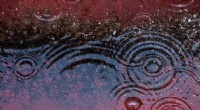
* Rain: The most common form of precipitation, consisting of liquid water droplets.
* Drizzle: Light rain with very small water droplets.
* Sleet: Frozen raindrops that partially melt and freeze again, forming small ice pellets.
* Freezing rain: Rain that freezes upon contact with the ground or surfaces, forming a sheet of ice.
Solid Precipitation:
* Snow: Frozen water crystals that fall from the sky.
* Hail: Large, round pieces of ice that form in thunderstorms.
* Graupel: Soft, opaque ice pellets that form from the freezing of supercooled water droplets.
* Snow pellets: Small, round ice pellets that are softer and less transparent than sleet.
* Ice pellets: Small, hard, transparent ice pellets that are similar to sleet but form in colder conditions.
Other forms of Precipitation:
* Virga: Precipitation that evaporates before reaching the ground.
* Fog: A cloud that forms near the ground, which can be considered a form of precipitation.
* Dew: Water droplets that condense on surfaces at night due to cooling.
* Frost: Ice crystals that form on surfaces at night due to freezing temperatures.
These are just some of the many forms of precipitation that can occur. The type of precipitation that falls depends on factors such as the temperature, humidity, and atmospheric pressure.