1. Subduction Zone: Pinatubo is situated on the Philippine Mobile Belt, a complex zone of active plate tectonics. Here, the Eurasian Plate is subducting (diving) beneath the Philippine Sea Plate. This subduction process generates immense heat and pressure, melting the rocks and creating magma.
2. Magma Chamber Formation: The molten magma rises through the Earth's crust and collects in a magma chamber. Pinatubo's specific location on the volcanic arc above the subduction zone is where the magma chamber formed.
3. Volcanic Arc Formation: As the magma rises and erupts, it creates a chain of volcanoes known as a volcanic arc. Mount Pinatubo is part of the Luzon Volcanic Arc, which stretches across the northern part of Luzon island.
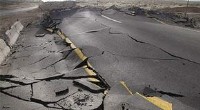
4. Faulting and Eruptions: The region around Pinatubo is also characterized by numerous faults, which provide pathways for magma to reach the surface. The 1991 eruption was triggered by a series of earthquakes that fractured the Earth's crust, allowing the magma to ascend rapidly.
In summary, Mount Pinatubo's location is determined by:
* Subduction zone: The collision of tectonic plates creates magma.
* Magma chamber formation: The magma collects in a chamber beneath the surface.
* Volcanic arc formation: Eruptions form a chain of volcanoes.
* Faulting: Faults provide pathways for magma to erupt.
These geological factors combined to create the conditions for Pinatubo's existence and its catastrophic 1991 eruption.