1. Erosion:
* Fluvial Erosion: Rivers and streams carve out valleys and carry away sediment, eventually creating flat plains in the surrounding areas. This is common in areas with gentle slopes and relatively soft rock. Examples include the Great Plains of North America.
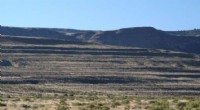
* Wind Erosion: Strong winds can erode mountains, hills, and plateaus, transporting sediment to lower areas and forming plains. This is typical in arid and semi-arid regions like the Sahara Desert.
* Glacial Erosion: Massive glaciers scrape and grind the land, leveling out mountains and valleys. This is responsible for many plains in high-latitude regions, like the North American Great Plains.
2. Deposition:
* Alluvial Plains: Rivers deposit sediment, forming fertile plains along their banks. These are often found in floodplains and deltas, where the river slows down and deposits its load. The Nile River delta is a prime example.
* Coastal Plains: Waves and currents deposit sediment along coastlines, creating flat plains that are often low-lying and vulnerable to flooding. The Atlantic Coastal Plain in the United States is an example.
* Loess Plains: Strong winds deposit fine, silt-like sediment (loess) to form fertile plains. Loess plains are found in areas like the Chinese Loess Plateau.
3. Tectonic Activity:
* Continental Plateaus: Large plateaus are uplifted by tectonic forces, and erosion over time can wear them down, creating expansive plains. The Tibetan Plateau is an example.
* Basins: Depression in the Earth's crust can be filled with sediment over time, creating flat plains. The Great Basin in the western United States is an example.
4. Other Factors:
* Volcanic Activity: Lava flows can cover large areas, creating relatively flat plains. The Columbia Plateau in the United States is an example.
* Climate: Climate can significantly influence the formation and characteristics of plains. Dry climates favor wind erosion, while humid climates promote fluvial processes.
It's important to note that plains are not static features; they are constantly evolving due to ongoing processes like erosion, deposition, and tectonic activity. The specific processes involved in their formation determine their characteristics, including their elevation, soil composition, and vegetation.