* Plate Tectonics: The Earth's outer layer is composed of massive plates that constantly move and interact.
* Divergent Boundaries: These are areas where plates move apart from each other. As plates separate, the underlying mantle material rises to fill the gap, creating magma.
* Upwelling Magma: This rising magma creates a bulge in the Earth's crust and weakens it, leading to fracturing.
* Faulting: The weakened crust fractures and creates large cracks called faults. The blocks of land on either side of the fault may move apart, creating a depression or valley.
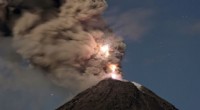
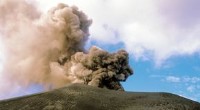
* Volcanism: The rising magma can erupt at the surface, forming volcanoes along the rift valley.
In summary: Rift valleys form when the Earth's tectonic plates move apart, causing the crust to stretch, fracture, and sink, often accompanied by volcanic activity.
Examples of Rift Valleys:
* East African Rift Valley: One of the most prominent and active rift valleys in the world.
* Mid-Atlantic Ridge: An undersea rift valley running along the center of the Atlantic Ocean.
Let me know if you'd like to delve into any specific aspect of rift valley formation!