* Weathering: The breakdown of rocks, minerals, and soils into smaller particles due to exposure to elements like rain, wind, ice, and temperature changes.
* Erosion: The movement and transportation of weathered material by wind, water, or ice.
* Transportation: The movement of eroded material by rivers, glaciers, wind, or ocean currents.
* Deposition: The settling of transported material in a new location.
Here's a breakdown of the common components of terrigenous sediment:
* Clasts: These are fragments of rock and minerals, which can be further classified based on their size:
* Boulders: > 256 mm
* Cobbles: 64 - 256 mm
* Pebbles: 2 - 64 mm
* Sand: 0.0625 - 2 mm
* Silt: 0.0039 - 0.0625 mm
* Clay: < 0.0039 mm
* Mineral grains: These can include quartz, feldspar, mica, and other minerals released from the weathering of rocks.
* Organic matter: Plant and animal remains, such as leaves, wood fragments, and shells, can contribute to terrigenous sediment, particularly in coastal environments.
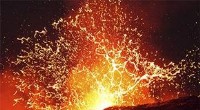
* Volcanic ash: Fine-grained material ejected during volcanic eruptions can be transported by wind and deposited far from their source.
* Chemical precipitates: Certain minerals can precipitate from solution in water, contributing to the terrigenous sediment.
The composition and grain size of terrigenous sediment can vary significantly depending on:
* Source rocks: The type of rocks being weathered and eroded.
* Climate: Weathering and erosion rates are influenced by temperature, precipitation, and other climatic factors.
* Transport processes: The distance, duration, and intensity of transportation affect the size and sorting of sediment particles.
* Depositional environment: The location where sediment is deposited influences the type and abundance of terrigenous sediment.
Overall, terrigenous sediment is a diverse and important component of Earth's sedimentary record, providing valuable insights into past environments, geological processes, and climate changes.