Inactive or Dormant Volcanoes:
* Seafloor mounds: These are the most common form, appearing as gentle bulges on the ocean floor. They might be covered in sediment and marine life, making them difficult to distinguish from the surrounding terrain.
* Cratered hills: Some inactive volcanoes might have a distinct crater at their summit, visible as a depression on the seafloor.
* Pillow lava formations: These look like rounded, pillow-shaped rocks that are created when lava erupts underwater and cools quickly.
Active Volcanoes:
* Hydrothermal vents: These are openings in the seafloor where hot, mineral-rich water is released. They can be found near active volcanoes and are often associated with vibrant and unique ecosystems.
* Black smoker vents: These are a type of hydrothermal vent that release superheated water, rich in dissolved minerals, that appears black due to the presence of sulfide minerals.
* White smoker vents: These release cooler water rich in barium, calcium, and other minerals, giving them a white appearance.
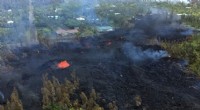
* Lava flows: These are visible as molten rock flowing out of the volcano and spreading across the seafloor. They can create extensive underwater landscapes.
* Steam and gas plumes: Active underwater volcanoes can release steam and gas into the water column, forming visible plumes that can sometimes reach the surface.
Other Features:
* Calderas: These are large, basin-shaped depressions that can form when a volcano collapses after a major eruption.
* Fissures: These are long cracks in the seafloor that can erupt lava.
Visualizing Underwater Volcanoes:
While it is difficult to see underwater volcanoes directly, scientists use various tools like sonar, remotely operated vehicles (ROVs), and submersibles to study and map them. These tools allow us to create visual representations of underwater volcanoes, providing insights into their morphology, activity, and potential hazards.
In Summary:
Underwater volcanoes can be subtle or dramatic depending on their activity. While some might be hidden beneath the seafloor, others create spectacular displays of underwater lava flows, hydrothermal vents, and steam plumes. Studying these volcanic landscapes allows us to learn about the Earth's dynamic processes and the unique life that thrives in these extreme environments.