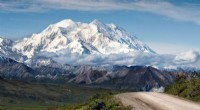
Alpine Glaciers:
* Scale: Smaller and confined to mountain valleys.
* Shape: Long, narrow, and often U-shaped, carving out deep valleys.
* Features:
* Cirques: Bowl-shaped depressions at the head of a glacier, often containing a tarn (small lake).
* Aretes: Sharp, jagged ridges separating cirques.
* Peaks: Pointed summits formed by converging aretes.
* Hanging valleys: Smaller valleys cut by tributary glaciers, hanging above the main valley floor.
* Truncated spurs: Sharp, pointed ridges at the end of a valley, often carved by the glacier.
* Moraines: Deposits of rock and debris carried and deposited by the glacier.
* Lateral moraines: Ridges of rock along the sides of the glacier.
* Medial moraines: Dark lines in the center of the glacier, formed from the merging of two lateral moraines.
* Terminal moraine: A ridge of debris at the glacier's end.
* Glacial polish and striations: Smooth, grooved surfaces created by the grinding action of rock fragments embedded in the ice.
Continental Glaciers (Ice Sheets):
* Scale: Vast, covering huge areas, like Greenland and Antarctica.
* Shape: Dome-shaped, spreading outward from a central point.
* Features:
* Fjords: Deep, narrow inlets carved by glaciers, often flooded by the sea.
* Drumlins: Elongated hills of till (unstratified glacial sediment), often formed by the flow of ice over previously deposited material.
* Eskers: Long, winding ridges of sand and gravel, formed by meltwater streams flowing beneath the ice.
* Kames: Small, conical hills of sand and gravel, deposited by meltwater streams on the glacier's surface.
* Outwash plains: Wide, flat areas of sand and gravel deposited by meltwater streams flowing away from the ice sheet.
* Erratics: Large boulders transported long distances by the glacier and deposited on the land surface.
Key Differences:
* Scale: Continental glaciers are vastly larger and more powerful, shaping landscapes on a much larger scale.
* Landforms: While alpine glaciers carve distinctive features like cirques and aretes, continental glaciers create broader features like fjords and drumlins.
* Erosion: Continental glaciers have greater erosive power, often carving out deep basins and shaping entire landscapes.
In Summary: Both alpine and continental glaciers shape distinctive landscapes. While alpine glaciers create sharp, rugged features in mountainous areas, continental glaciers sculpt broader, more sweeping landforms on a continental scale.