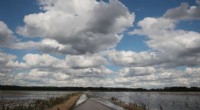
* Flat plains: Large, expansive areas with little elevation change.
* Rolling hills: Gentle, rounded hills that create a slightly undulating landscape.
* River valleys: Often found cutting through the grasslands, creating areas of lower elevation and sometimes supporting different types of vegetation.
* Mesas and buttes: These are flat-topped hills or isolated hills that stand out from the surrounding landscape. They are more common in semi-arid grasslands.
It's important to note that the specific topography of a grassland can vary significantly depending on its location and the geological processes that have shaped it. Some grasslands may have more dramatic features like canyons or cliffs, while others may be very flat and featureless.
Here are some examples of how the topography of grasslands can vary:
* North American Prairies: Characterized by rolling hills and vast plains.
* African Savannas: Often feature flat plains with scattered trees and occasional mesas or buttes.
* South American Pampas: Generally flat, with some low hills and river valleys.
Overall, grasslands tend to have a relatively open and accessible topography, which has influenced the types of animals and plants that live there.