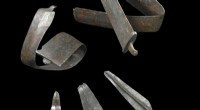
* Wind Abrasion: This is the primary way wind erodes rock. It carries sand and dust particles, which act like sandpaper against rock surfaces. This can create smooth, pitted, or grooved features.
* Deflation: Wind removes loose particles like sand and dust, leaving behind a lower surface. This can create hollows or depressions.
How Wind Shapes Rocks:
* Ventifacts: Wind-shaped rocks, often with flat, polished surfaces.
* Yardangs: Elongated, streamlined ridges formed by wind erosion.
* Mushroom Rocks: Rocks with a wider base and a narrow top, created by wind abrasion at ground level.
* Desert Varnish: A dark coating on rocks that forms over long periods due to windblown dust and iron oxides.
Sphere Formation:
* Weathering: While wind plays a role, the creation of spheres is mostly due to weathering processes like freeze-thaw cycles and chemical weathering that break down rock into smaller pieces.
* Spheroidal Weathering: This process creates rounded, spherical rocks due to chemical reactions and the expansion/contraction of rock under temperature changes.
Important Note: Wind erosion is a powerful force, but it primarily shapes rocks rather than forming perfect spheres. The creation of spheres often involves other geological processes.